
The Story
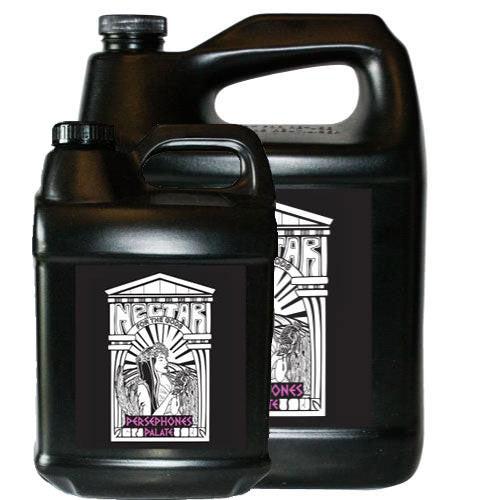
Persephone's Palate is Nectar for the Gods’ answer to the use of molasses in a feeding regimen. The calcium in the lignin acts as a microbial food while the lignosulfonate acts as a chelating agent (large, organic molecules that are used to envelop highly-reactive trace metal ions). The purpose of chelates is to incorporate metal ions like magnesium, boron, and zinc into a soluble but bound form that is capable of supplying nutrients to the plants. As the chelate breaks down, the metal ion micronutrients are slowly released into the soil in a bioavailable form that may then be taken up by the plant.

Details & Craftsmanship
Every detail has been carefully considered to bring you the perfect product.
Details & Craftsmanship
Every detail has been carefully considered to bring you the perfect product.

Details & Craftsmanship
Every detail has been carefully considered to bring you the perfect product.

Details & Craftsmanship
Every detail has been carefully considered to bring you the perfect product.
Description
Persephone's Palate is Nectar for the Gods’ answer to the use of molasses in a feeding regimen. The calcium in the lignin acts as a microbial food while the lignosulfonate acts as a chelating agent (large, organic molecules that are used to envelop highly-reactive trace metal ions). The purpose of chelates is to incorporate metal ions like magnesium, boron, and zinc into a soluble but bound form that is capable of supplying nutrients to the plants. As the chelate breaks down, the metal ion micronutrients are slowly released into the soil in a bioavailable form that may then be taken up by the plant.